Two New Apartment Buildings — Hamburg Osterfeldstrasse

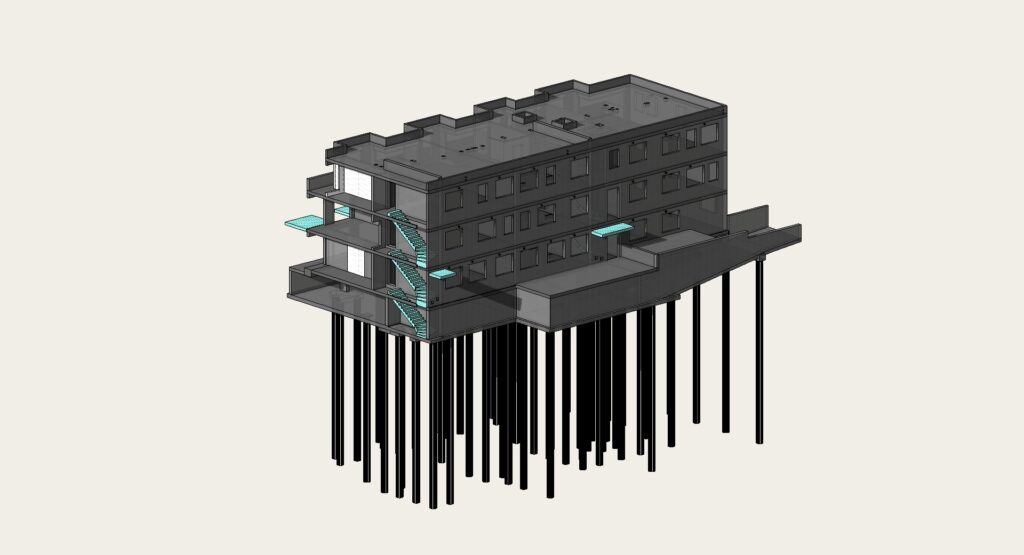
Project: 20-22 OFS
Location: Hamburg
GFA: 2,500 m²
Services: Structural Design LP5 (Construction Documentation)
Structural Engineer: Qintus Ingenieurhaus
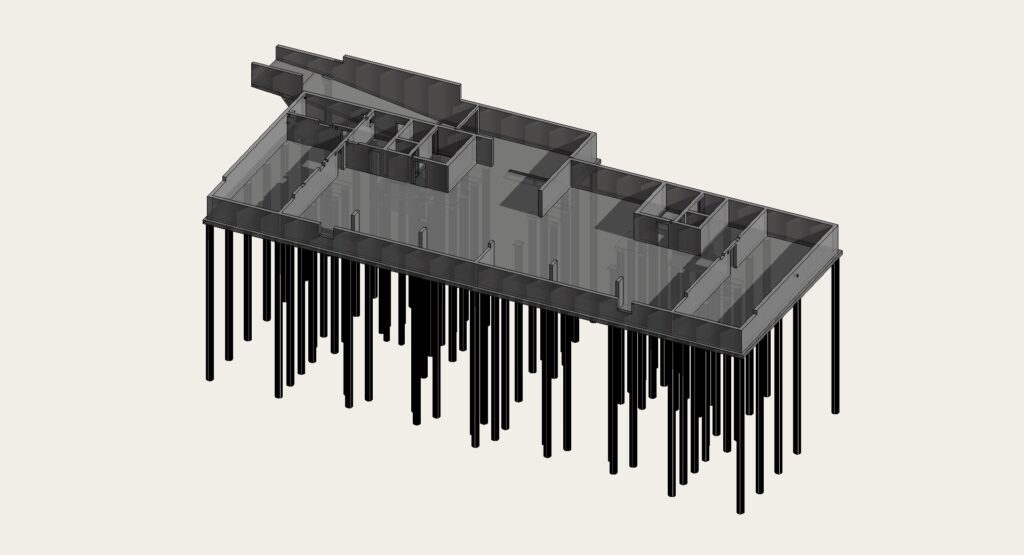
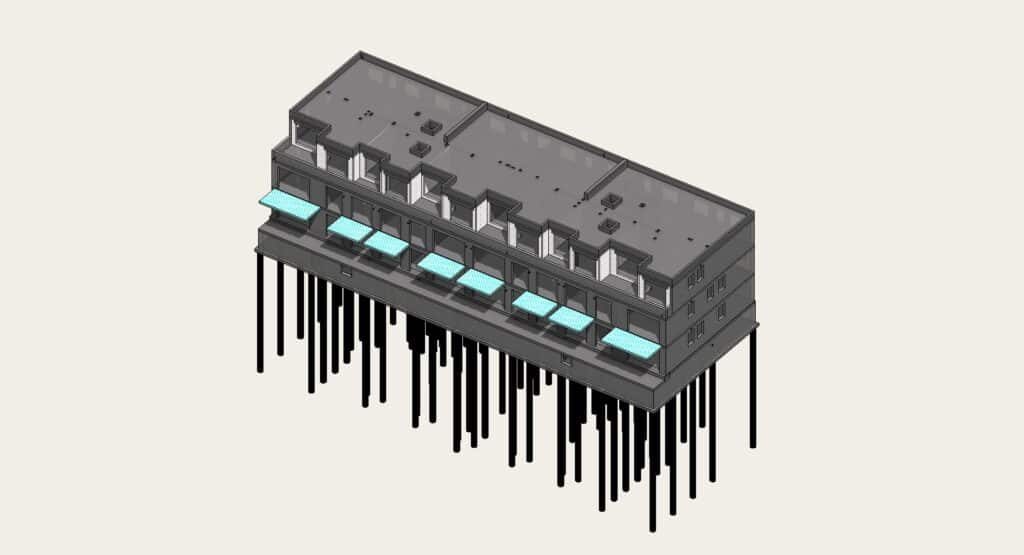
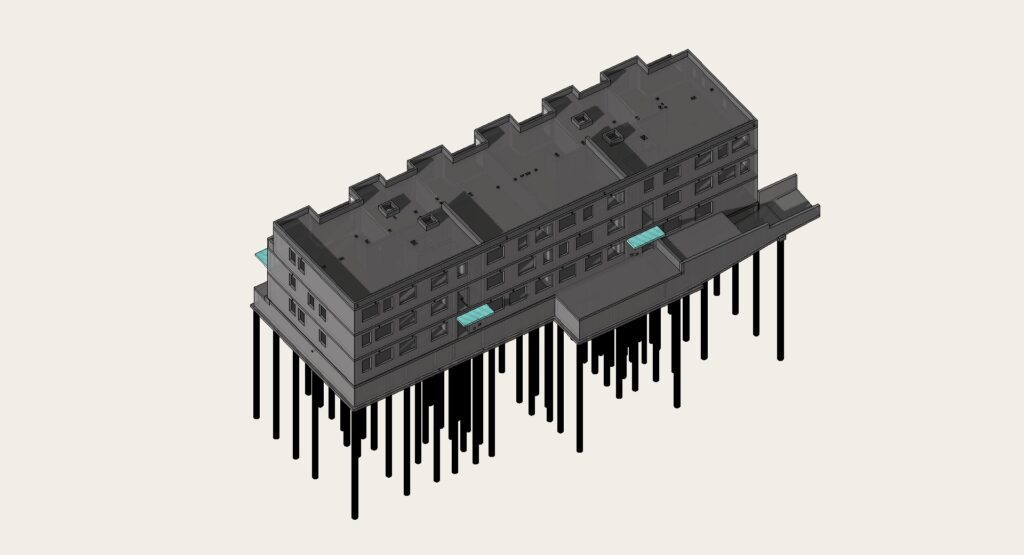
Two new apartment blocks in Hamburg were designed as a reinforced concrete frame complex. The buildings share a common structural concept: RC skeleton construction with a waterproof basement (Weiße Wanne) and a ramp system for underground vehicle access.
CN Europlan delivered LP5 construction documentation — the rebar and formwork drawings that translate the structural design into buildable instructions. At this stage, every structural ambiguity unresolved in earlier phases becomes a construction site problem. The Weiße Wanne requires particularly precise LP5 documentation: waterproofing joints, pour sequences, penetration detailing, and crack width limitations must all be resolved at the drawing stage, not during concrete placement.
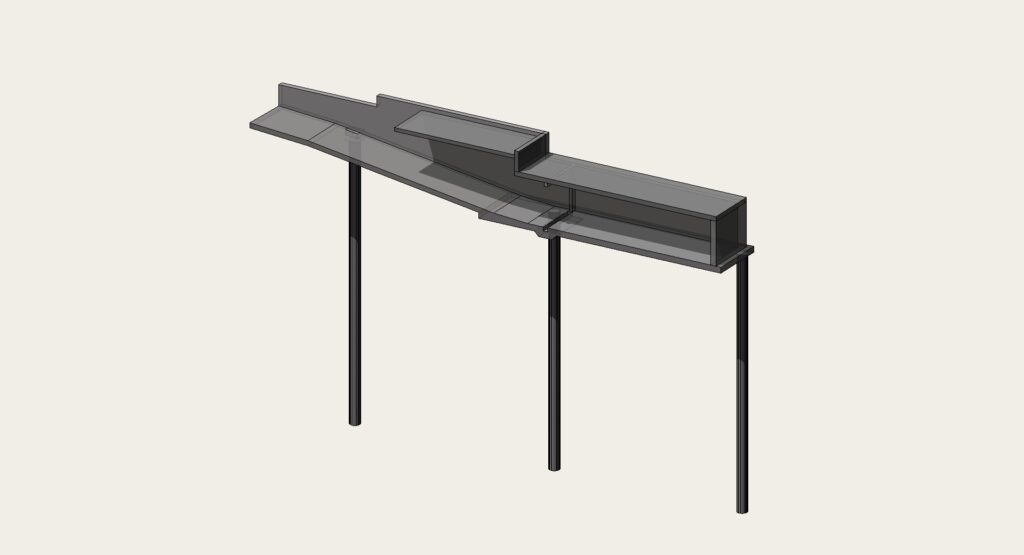
The ramp system connecting the basement to grade level introduces geometric complexity that must be resolved in three dimensions across multiple trades. CN Europlan's LP5 scope encompassed this coordination, producing documentation suitable for direct contractor use.
Key Takeaways
- LP5 as risk control: Construction documentation quality is where structural intent either survives or is lost on site. Precise rebar drawings reduce RFIs, substitution requests, and costly site-level decisions.
- Weiße Wanne detailing: Waterproof concrete construction depends on getting LP5 right — joint locations, formwork tie arrangements, and penetration sealing are not details that can be improvised on site.
- RC frame + ramp coordination: Ramp geometry imposes non-standard slab and wall geometries that must be fully resolved in documentation before contractor pricing. Under-documented ramps are a reliable source of variation orders.
- Two-building coordination: Producing coherent LP5 documentation for two buildings with a shared structural language — rather than two separately documented schemes — reduces construction errors at interfaces.