Structural Upgrading of a Silo Facility — Lorrach
Project: 21-63 LOR |
Location: Lorrach |
GFA: 500 m²
Services: Structural Design – Expert Advisory and Consulting
Architect & Structural Engineer: Blue Projects
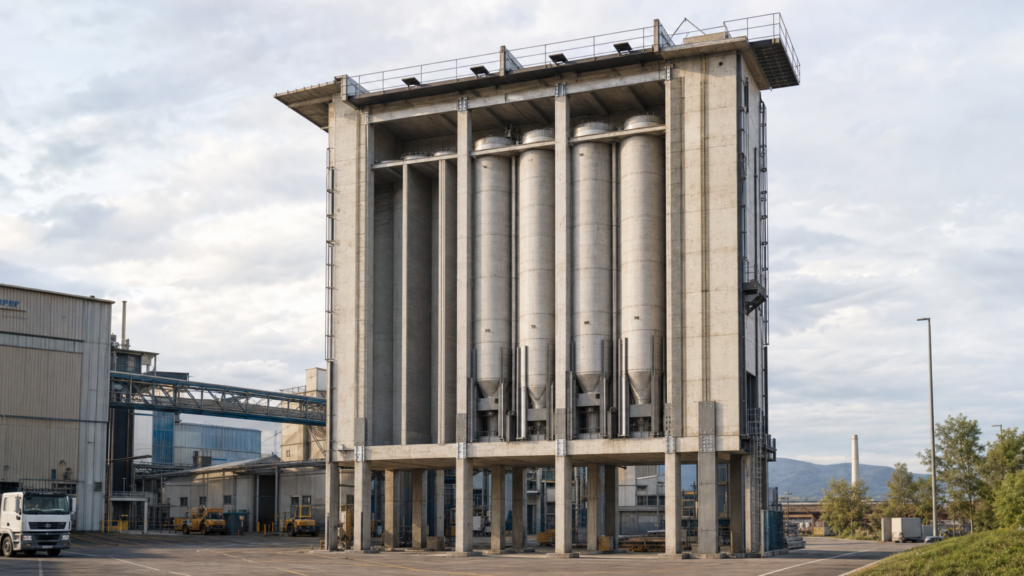
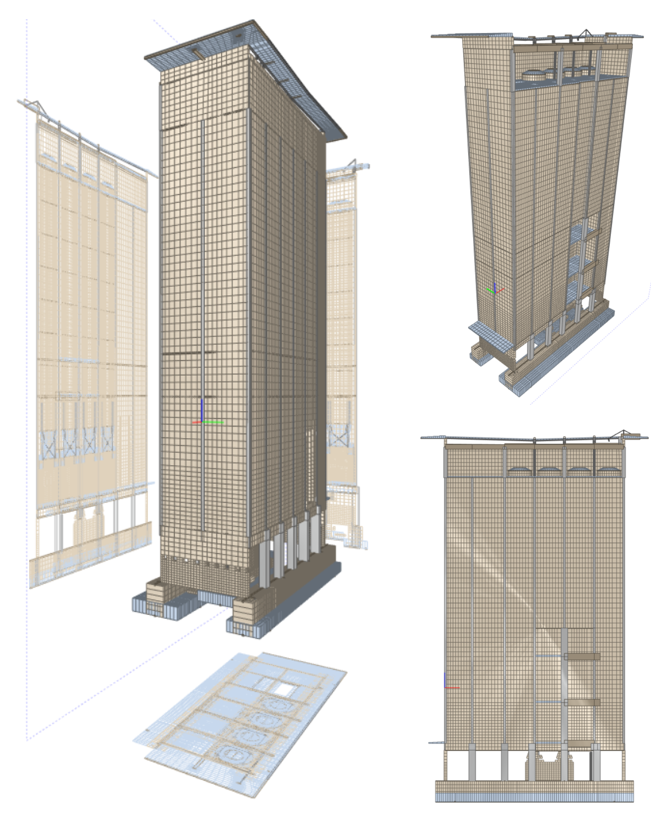
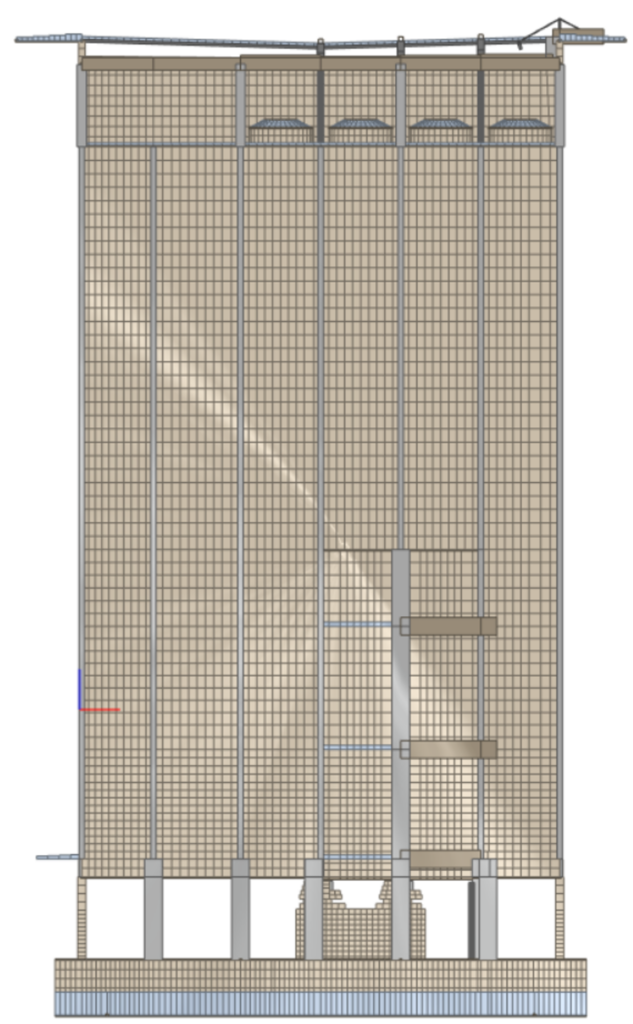
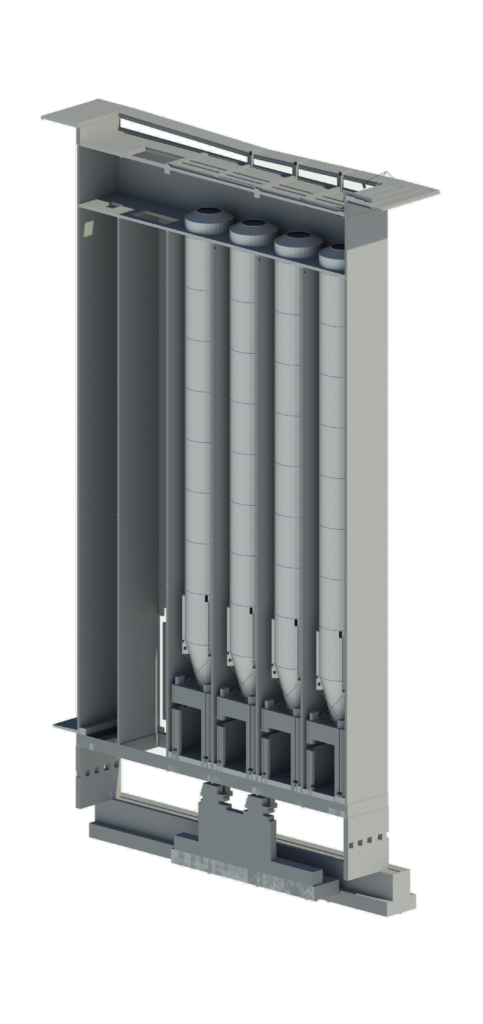
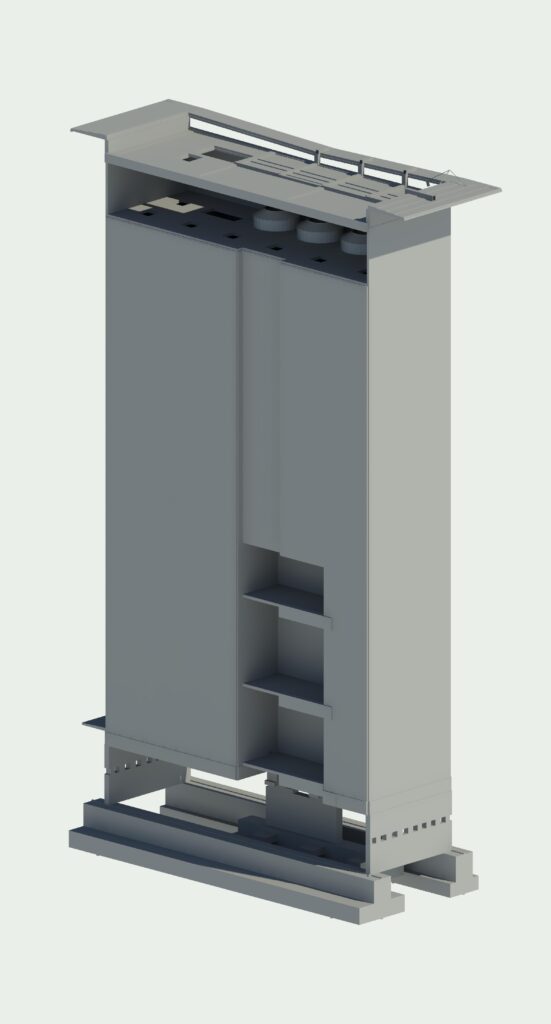
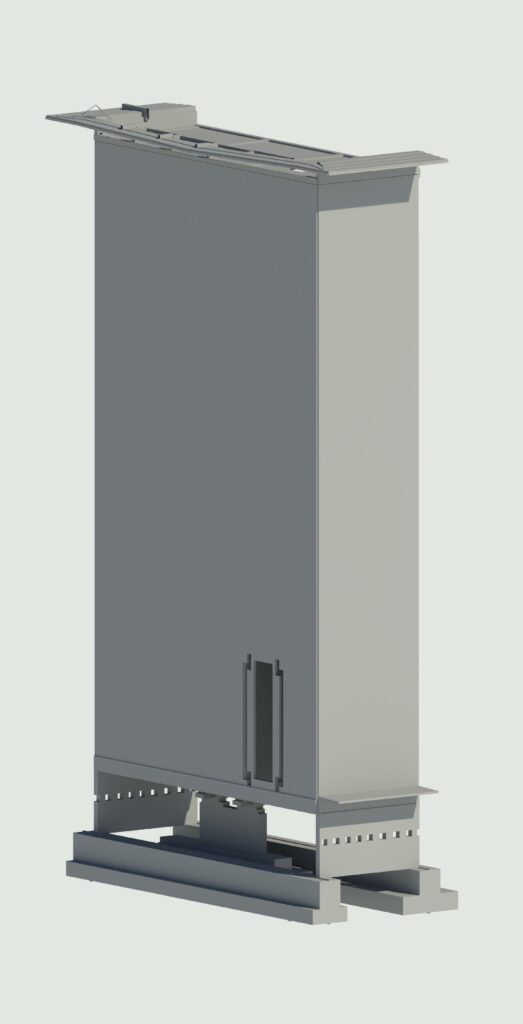
As part of a production line revitalisation at a Lorrach manufacturing site, an existing silo structure — built in the 1980s in reinforced concrete — required structural upgrading to support a revised operational programme. The structure's original design predated current seismic requirements, and earthquake loading governs the structural assessment at this location.
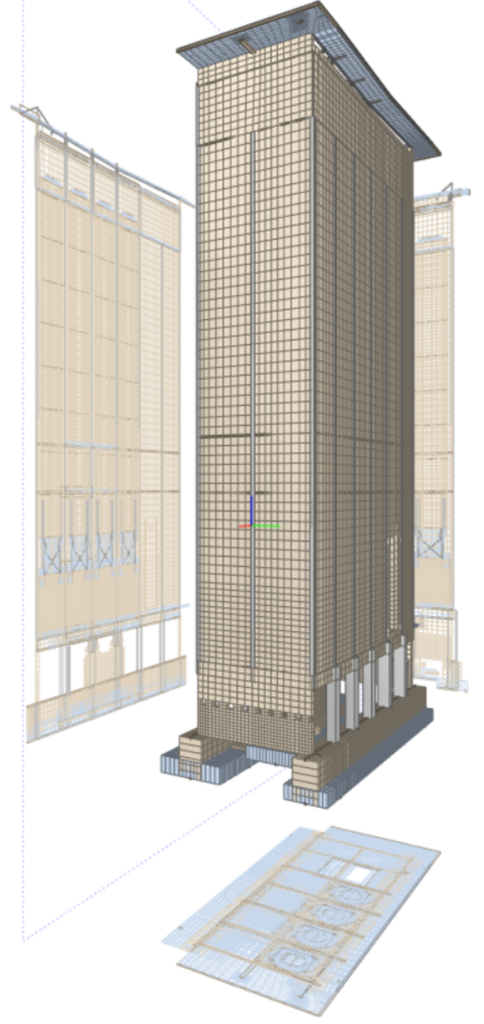
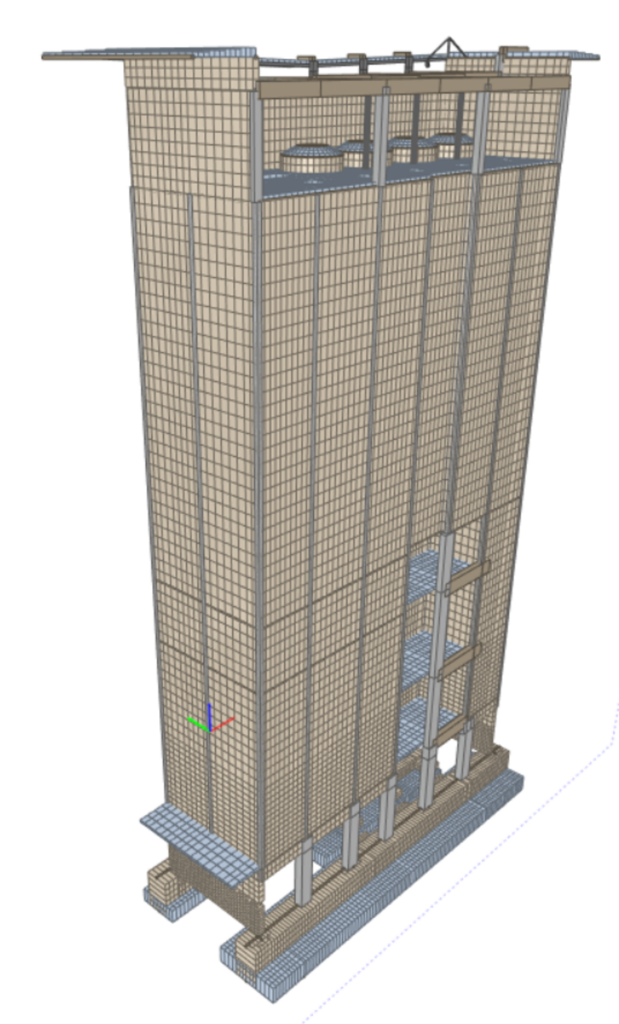
Multiple upgrading variants were investigated and evaluated before a final strategy was selected. The chosen approach combines structural strengthening of the existing RC structure with carbon fibre reinforced polymer (CFRP) composites — a method that adds tensile capacity to existing concrete elements without requiring demolition of the existing structure or significant increases in structural mass.
CFRP strengthening must be calculated to the same standard as conventional RC reinforcement. The fibre layout, anchorage detailing, and connection to existing concrete require precise structural design and supervision — it is not a proprietary system that eliminates engineering input.
CN Europlan provided expert structural advisory and consulting throughout the assessment and design process, including the earthquake design and the evaluation of strengthening variants.
Key Takeaways
- Seismic assessment of 1980s industrial infrastructure: Structures from this era were typically designed to older or no seismic standards. A full recalculation under current seismic actions is required before any upgrading scheme can be validated — and before insurers or operators can confirm continued use.
- CFRP strengthening as a structural engineering task: Carbon fibre composites are often presented as a contractor-led system application. In reality, the structural design of CFRP strengthening — fibre orientation, quantity, anchorage, and interaction with existing reinforcement — requires full structural analysis and documentation.
- Variant evaluation before design commitment: Investigating multiple structural strengthening options before committing to a solution protects the client against over-engineering and provides a documented basis for the investment decision.
- Minimal operational disruption: CFRP application does not require the structural demolition and reconstruction that alternative strengthening methods (e.g., concrete jacketing) would necessitate, reducing production downtime.